Lost Place: Silent Symmetry of 278
Abandoned place in 278, Deutsch Nettkow, gmina Czerwieńsk, Polen
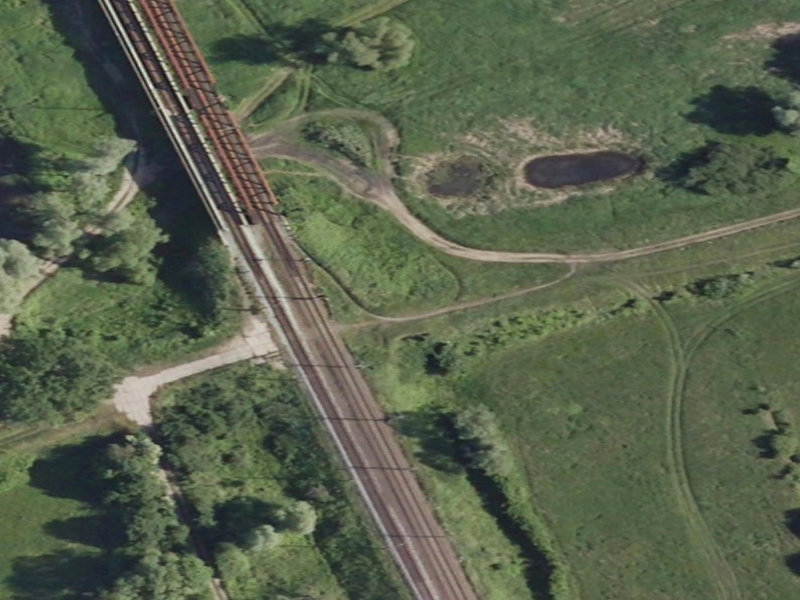
The image portrays an abandoned industrial complex nestled in the heart of a Polish countryside. The complex, once vibrant and full of life, now stands as a testament to the passage of time. Its layout is intricate, with numerous buildings and structures sprawling across the landscape. The main structure, a large factory or processing plant, dominates the scene. It's a monolithic edifice, its imposing roof structure hinting at the grandeur it once was. The color palette of the complex is muted, with hues of gray and brown blending seamlessly with the surrounding nature. The complex is encircled by an array of train tracks that crisscross and meander throughout the scene. These tracks, now rusted and overgrown, tell tales of a time when this place was bustling with activity. The paths leading to the complex are largely obscured by nature, further enhancing its abandoned air. The scale of the complex is impressive, its sprawling layout dwarfing the surrounding environment. However, nature has begun to reclaim its lost glory. Trees and bushes now encroach upon the buildings, their green foliage contrasting with the desolate structures. Despite its dilapidated state, there's an eerie charm to the complex. The way light filters through the trees and casts long shadows on the ground creates a mystical atmosphere. This is a place where time has stood still, allowing one to imagine the sounds of clanking machinery and the hustle and bustle of workers. In summary, 278 is a fascinating location that offers a glimpse into Poland's industrial past while also serving as a testament to nature's ability to reclaim its lost spaces.
Details
- Location: 278, Deutsch Nettkow, gmina Czerwieńsk, Polen
- GPS Coordinates: 52.04679390615, 15.362591305
- Safety Rating: 3 / 5
- Tags: Industrial, Abandoned, Polen, Nature, Time, Atmosphere., Imported